
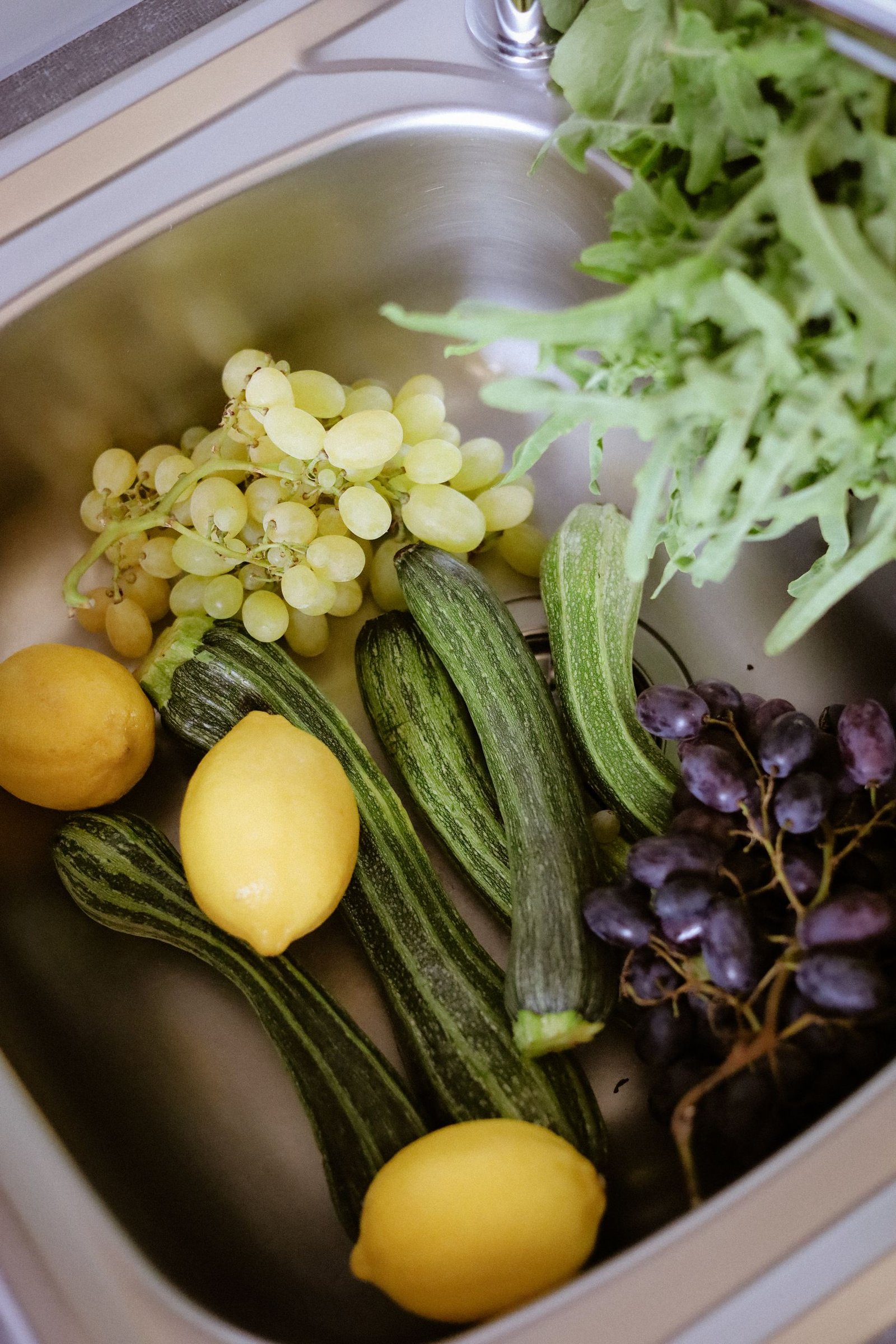
The Dirty Dozen list gets pulled up at grocery stores, shared in wellness communities, and referenced in conversations about food safety more than almost any other produce resource. Most people who use it know that strawberries are near the top and avocados aren’t on it — and that organic matters more for some items than others. What the list is actually based on, what the data behind it shows, and what it doesn’t tell you tends to go unexplained. That gap matters for using the lists accurately rather than as a blunt safe-or-unsafe filter.
Where the Lists Come From
The Dirty Dozen and Clean Fifteen are published annually by the Environmental Working Group — a nonprofit research and advocacy organization that works on environmental health issues including food safety, personal care ingredients, and water quality. The EWG is the same organization behind the Skin Deep personal care database and the Tap Water Database referenced across other articles on this platform.
The lists are compiled from data produced by the USDA’s Pesticide Data Program — the federal testing program that samples fresh and processed produce from retail locations across the country and analyzes it for hundreds of individual pesticide compounds. The PDP is one of the most comprehensive produce pesticide testing programs in the world and publishes its findings annually. The EWG takes that raw data and ranks produce items based on a scoring methodology that accounts for the number of different pesticides detected on a given item, the frequency with which residues are detected, the concentration of residues found, and the number of pesticides detected on a single sample.
The EWG is not a regulatory body — it doesn’t set standards or determine what’s legally permissible. Its role is to translate federal testing data into consumer-facing guidance. The lists represent the EWG’s interpretation of the USDA’s data rather than an independent testing program — which is worth knowing when evaluating how to weight their conclusions.
What the Dirty Dozen Actually Represents
A produce item lands on the Dirty Dozen because USDA testing data shows it consistently carries higher pesticide residue loads than other tested items — across multiple pesticides, at higher detection frequencies, or at higher concentrations. It doesn’t mean those residues are above the EPA’s legal tolerance levels — the USDA’s testing finds that the vast majority of samples are within legal limits. It means that relative to other produce, these items carry more pesticide residue by the measures the EWG uses to rank them.
Strawberries have appeared at or near the top of the list for several consecutive years — a reflection of how intensively conventional strawberry farming uses pesticides and how the fruit’s texture and surface area make residue removal through washing particularly challenging. Spinach, kale, collard and mustard greens, peaches, pears, nectarines, apples, grapes, bell and hot peppers, cherries, and blueberries round out recent lists — a mix of soft-skinned fruits and leafy greens where residue accumulation and washing effectiveness are most relevant.
The compounds detected vary by produce item and by year — some are fungicides applied post-harvest to extend shelf life, some are insecticides applied during growing, and some are herbicides used in conventional farming systems. The specific compounds matter because their health profiles differ — some are well-characterized, some have active research questions around them, and some appear on international restricted lists while remaining permitted in the U.S. The Dirty Dozen tells you which items carry the most residues — it doesn’t tell you which specific compounds those are for any given purchase, or what their individual health implications are.
What the Clean Fifteen Actually Represents
The Clean Fifteen identifies the fifteen produce items with the lowest pesticide residue loads in USDA testing — items where the case for prioritizing organic is weaker based on the available data and where conventional options present lower concern.
Several factors contribute to an item appearing on the Clean Fifteen. Thick, inedible skins are the most straightforward — avocados, pineapples, onions, sweet corn, and papayas all have physical barriers that limit residue penetration into the edible portion. Items with thick skins that are peeled before eating carry whatever residues are present on the exterior without transferring them to what’s consumed. This doesn’t mean the exterior is irrelevant — residues on the skin of a peeled fruit can transfer to hands and then to the edible portion during peeling — but the residue load on the edible part is meaningfully lower than for soft-skinned produce.
Farming practices also contribute — some crops require less pesticide application because they’re naturally more resistant to pests, or because their growing conditions make certain pest pressures less prevalent. Asparagus, sweet peas, and kiwi consistently appear on the Clean Fifteen for reasons related to how these crops are typically grown rather than just their physical characteristics.
It’s worth knowing that Clean Fifteen items aren’t pesticide-free — they’re lower residue relative to other tested produce. USDA testing finds residues on many Clean Fifteen items. The list represents a relative ranking rather than a category of produce that’s been cleared of pesticide concerns entirely.
What the Lists Don’t Tell You
The Dirty Dozen and Clean Fifteen are useful tools with real limitations — and knowing those limitations makes the lists more accurate as a guide rather than less useful.
The data is post-washing. USDA samples are washed before testing — following standard consumer preparation practices. The residue levels the EWG ranks reflect what remains after washing, not what was applied before it. This means the lists already account for washing to some degree — but it also means the data reflects average washing rather than the most effective methods covered in the pesticide residue article, including baking soda soaks and electrolyzed water.
The lists reflect averages across many samples. Individual items within a category vary — a strawberry from one farm may carry different residues than one from another, depending on the specific farming practices used. The Dirty Dozen ranking for strawberries reflects the average across all tested samples, not a guarantee about any specific purchase.
Cumulative exposure isn’t captured. The lists evaluate produce items individually — they don’t account for what happens when multiple Dirty Dozen items are consumed regularly in the same diet. Someone eating strawberries, spinach, and apples daily is accumulating residues from multiple high-residue sources simultaneously — a picture the individual item rankings don’t reflect.
The health implications of specific compounds aren’t communicated. The lists rank by residue load using a composite scoring system — they don’t specify which compounds are present on a given item in a given year, or what the health research on those specific compounds shows. A high-residue item with well-characterized, lower-concern compounds might be less significant than a lower-residue item with more actively studied ones — a distinction the Dirty Dozen ranking doesn’t make.
The lists cover a specific set of produce. The EWG tests the most commonly consumed fruits and vegetables — it doesn’t cover every produce item available. Items that aren’t on either list haven’t been ranked, which means the absence of a ranking isn’t a signal of low concern.
How to Use Them Practically
With a clear understanding of what the lists measure and where they have limits, they become a more useful tool rather than a simpler one.
The most practical application is using the Dirty Dozen as a prioritization guide for organic purchasing — buying organic for the items that consistently appear at the top of the list, particularly those consumed frequently and in large amounts. Strawberries eaten daily are a higher priority than an apple eaten occasionally, even though both may appear on the list. As covered in How to Build a Lower-Toxin Grocery List, frequency and volume are the most practical filters for deciding where to direct evaluation effort and budget.
The Clean Fifteen provides guidance for where conventional options are lower concern — a practical accommodation when organic options aren’t available, are significantly more expensive, or when budget requires prioritization. Using the Clean Fifteen as a guide for where to be less selective doesn’t mean those items are without any pesticide concern — it means the tradeoff between organic and conventional is less significant for those items based on available data.
When organic options aren’t available for Dirty Dozen items — as is sometimes the case depending on location, season, and store — washing with a baking soda solution or electrolyzed water addresses surface residues more effectively than plain water, as covered in the pesticide residue article. Systemic residues that have been absorbed into the plant tissue aren’t addressable through washing — which is why organic certification is the more complete response for the highest-concern items.
One Tool Among Several
The Dirty Dozen and Clean Fifteen are the most widely used consumer-facing produce guides available — and they’re built on real federal testing data rather than on advocacy claims without evidentiary basis. That makes them worth using. Their limitations — averages rather than individual guarantees, no compound-specific health data, no cumulative exposure accounting — make them most useful as a starting filter rather than a complete evaluation.
As covered in What Third-Party Certifications Actually Tell You and Pesticides on Produce: What You Need to Know, organic certification and an understanding of what pesticide residue data shows together give a more complete picture than either the lists or the certification alone. The Dirty Dozen and Clean Fifteen are one practical layer in that picture — specific enough to be actionable, accessible enough to use at the grocery store, and honest enough in their methodology to be a reliable starting point.
The references used in this article are a starting point — we encourage you to read further and draw your own conclusions.
Ready to keep going? Browse our Mindful Eating articles to build a clearer picture of what’s in your food and how to evaluate it.


Leave a Reply