
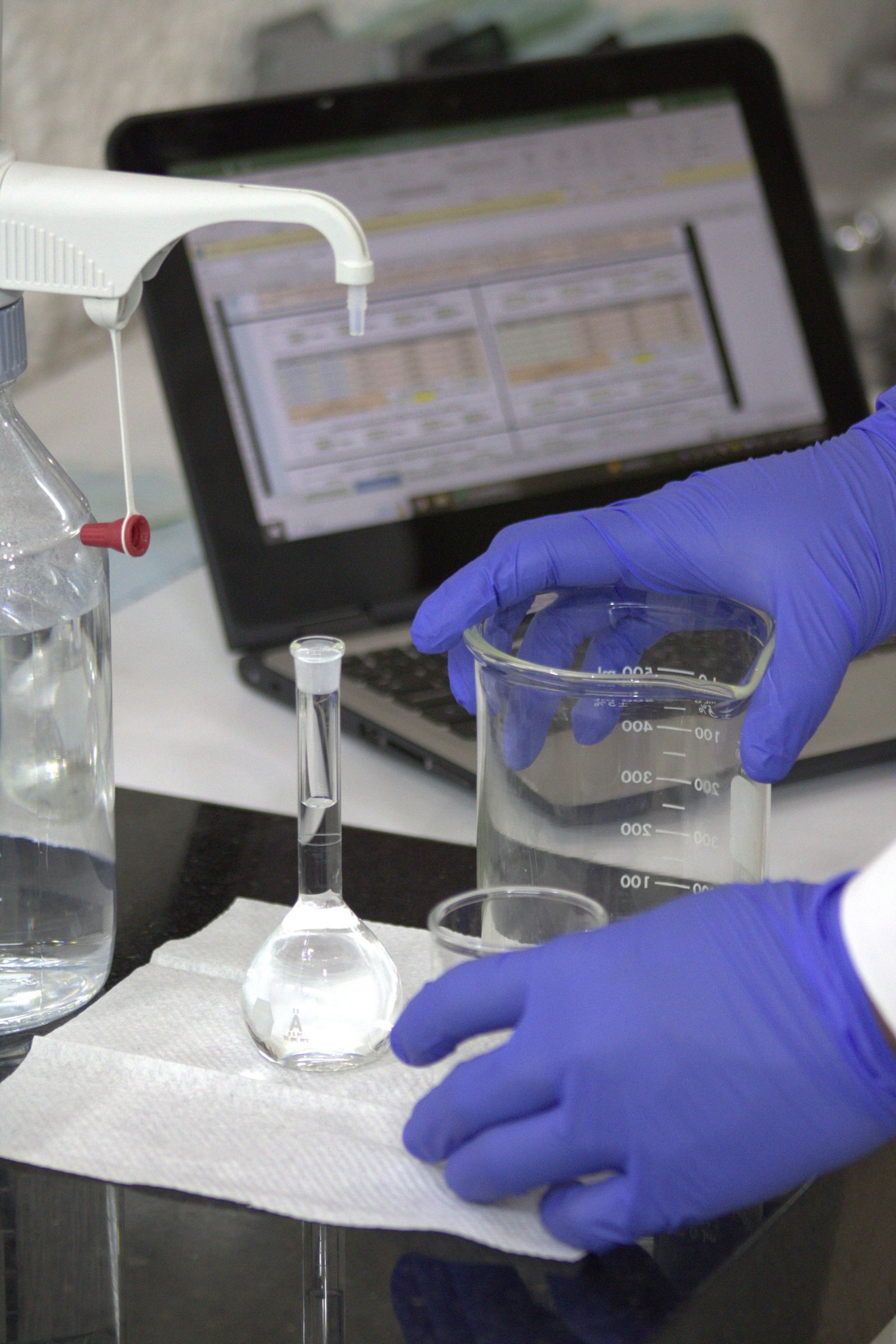
Most people walk into a store with a reasonable assumption — that if a product is on the shelf, someone reviewed it and determined it was safe. That assumption isn’t wrong exactly, but it’s more complicated than it sounds. The process by which chemicals get approved for use in consumer products varies dramatically depending on what kind of product it is, which government agency oversees it, and whether the chemical was already in use before modern safety laws were written. In many cases, the review that most people assume happened never did.
Understanding how the system actually works changes how much weight a product’s presence on a store shelf actually carries.
The Fragmented Regulatory Landscape
There isn’t one government agency that reviews all chemicals in all consumer products. In the U.S., chemical safety oversight is divided across several agencies — each with its own jurisdiction, its own standards, and its own level of authority to act when a problem is identified.
The FDA oversees food, food additives, cosmetics and personal care products, and pharmaceuticals. The EPA oversees pesticides and industrial chemicals used in household products. The CPSC — Consumer Product Safety Commission — oversees the safety of consumer products broadly, including children’s products and certain household goods. The USDA oversees the safety and labeling of meat, poultry, and egg products.
Each agency operates under different laws with different requirements. A chemical that’s been reviewed and approved by one agency hasn’t necessarily been reviewed by another — and a product that spans categories may fall into a regulatory gap where no single agency has clear authority. The result is a patchwork system where the level of scrutiny a chemical receives depends heavily on what product it’s in rather than on any consistent standard of safety review.
How Food Additives Get Approved
The FDA oversees chemicals added to food — a category that includes preservatives, colorants, emulsifiers, flavor compounds, and the range of functional additives covered in What Food Additives Actually Are — and Why They’re Worth Understanding.
The formal approval process for new food additives requires manufacturers to submit a food additive petition — a package of safety data that the FDA reviews before the additive can be used in food. This process involves real scientific review, and additives that go through it have been evaluated against defined safety criteria before reaching the market.
The problem is that the formal petition process covers only a fraction of what’s actually in the food supply. A parallel pathway — the GRAS designation, which stands for Generally Recognized as Safe — allows manufacturers to determine on their own that an ingredient is safe and begin using it in food without notifying the FDA at all. GRAS status can be established through a company’s own panel of experts, without independent government review, and without any public disclosure that the determination was made. As a result, thousands of substances in the U.S. food supply have never been formally reviewed by the FDA — they were either grandfathered in before modern safety standards existed or approved through the self-determination GRAS process that the FDA has limited visibility into.
The Government Accountability Office flagged this gap in 2010 as a significant weakness in food safety oversight. It remains largely unresolved.
How Personal Care Ingredients Get Approved
Personal care products — cosmetics, skincare, hair care, and similar items — are regulated by the FDA under a framework that’s fundamentally different from the food additive system. There is no pre-market approval requirement for cosmetic ingredients in the U.S. A brand can formulate a product with any ingredient it chooses, put it on the market, and the FDA has no authority to require safety data before that product reaches consumers.
The primary self-regulatory body for cosmetic ingredients is the Cosmetic Ingredient Review — an industry-funded panel of independent scientists that evaluates ingredient safety and publishes its findings. The CIR has reviewed thousands of ingredients and its work is publicly available. But because it’s funded by the industry it evaluates, it operates with a structural conflict of interest — and because its recommendations are voluntary, brands aren’t required to follow them even when the CIR flags concerns about an ingredient.
The Modernization of Cosmetics Regulation Act — MoCRA — passed in 2022 and introduced several meaningful improvements, including mandatory facility registration and expanded FDA recall authority. As covered in Why Personal Care Products Are Less Regulated Than You Think, MoCRA was a real step forward — but it didn’t establish pre-market safety approval for cosmetic ingredients. The baseline remains a post-market, reactive system where problems are identified after products are already in use rather than before they reach the shelf.
How Household Chemical Products Get Approved
Household cleaning products, pesticides, and industrial chemicals fall primarily under EPA oversight — through two main laws.
FIFRA — the Federal Insecticide, Fungicide, and Rodenticide Act — governs pesticides, including the pesticides used in conventional agriculture and in household pest control products. Pesticides must be registered with the EPA before they can be sold, and that registration process requires safety data. This makes pesticide oversight somewhat more rigorous than the personal care framework — but FIFRA registration evaluates individual pesticides in isolation rather than in combination, which means the cumulative effect of exposure to multiple pesticides simultaneously isn’t fully captured by the approval process.
TSCA — the Toxic Substances Control Act — governs industrial chemicals, including many of the compounds used in cleaning products, building materials, and consumer goods. TSCA was originally passed in 1976 and had significant limitations — it required the EPA to prove a chemical was harmful before restricting it, which set such a high evidentiary bar that the agency was unable to ban even asbestos under its original framework. The 2016 Frank R. Lautenberg Chemical Safety for the 21st Century Act reformed TSCA and gave the EPA more authority to evaluate and restrict chemicals — but the reforms are being implemented gradually, and thousands of chemicals in current use haven’t yet been reviewed under the updated framework.
The Grandfathering Problem
One of the most significant and least understood aspects of chemical regulation in the U.S. is the grandfathering of chemicals that were already in use when modern safety laws were written.
When TSCA was passed in 1976, approximately 62,000 chemicals already in commercial use were automatically included on an inventory of existing chemicals — without safety review. These chemicals were grandfathered into continued use on the basis that they were already part of the commercial landscape, not on the basis that their safety had been established. The 2016 TSCA reform gave the EPA authority to prioritize and evaluate these chemicals — but with thousands on the list and limited agency resources, the review process moves slowly. Many grandfathered chemicals that have been in consumer products for decades have still not been formally evaluated under the updated framework.
The same dynamic applies to food additives and cosmetic ingredients. Compounds that were in use before the FDA’s current regulatory framework was established were allowed to continue under various forms of grandfather status — meaning their presence in products today reflects historical commercial practice more than contemporary safety review.
How the U.S. Compares to Other Regulatory Systems
The European Union operates under a different foundational principle — one that places the burden of proof on manufacturers to demonstrate safety before a chemical can be used in consumer products, rather than on regulators to prove harm after a chemical is already in use.
The EU’s approach is often described as the precautionary principle — when scientific evidence about a chemical’s safety is uncertain or incomplete, the EU tends toward restriction rather than permission while more data is gathered. The U.S. system has historically operated in the opposite direction — chemicals are permitted unless evidence of harm is sufficient to justify restriction, a threshold that has historically been difficult to meet given the evidentiary requirements agencies face.
In practical terms, this difference produces different lists of permitted chemicals across product categories. Hundreds of chemicals permitted in U.S. food, personal care, and household products are restricted or banned in the EU — not necessarily because they’ve been proven harmful, but because their safety hasn’t been established to the EU’s standard. The gap is particularly visible in personal care, where the EU has restricted over a thousand cosmetic ingredients compared to the small number restricted under the FDA’s framework.
Neither system is perfect. The precautionary approach can restrict chemicals that later prove harmless, and the permission-based approach can leave harmful chemicals in use longer than a more precautionary system would. But understanding the philosophical difference between them explains why the same product can be formulated differently for the U.S. and EU markets — and why the EU version of a product sometimes contains different ingredients than the U.S. version of the same product from the same brand.
What This Means for the Consumer
The approval process for chemicals in consumer products — fragmented across agencies, reliant on industry self-regulation in several categories, and burdened by decades of grandfathered chemicals that haven’t been reviewed — produces a marketplace where a product’s presence on a shelf is a weaker safety signal than most people assume.
This isn’t an argument for alarm about every product in every category. Most consumer products don’t cause acute harm, and the regulatory system — imperfect as it is — does catch some of the most serious safety problems before they reach widespread use. What it is an argument for is a more active role in evaluating what’s in products rather than relying on their approval status as a proxy for safety.
That’s where the practical tools covered across this platform become most relevant. Third-party certifications — EWG Verified, MADE SAFE, EPA Safer Choice — evaluate ingredients against defined standards that go beyond the regulatory baseline. As covered in What Third-Party Certifications Actually Tell You, they have limits and gaps of their own — but they represent independent evaluation rather than self-regulation or regulatory inaction. Ingredient databases like EWG Skin Deep and the FDA’s Substances Added to Food inventory make the safety data that does exist accessible to anyone willing to look it up. And ingredient list reading — across food, personal care, and household products — gives direct access to what’s in a product rather than relying on a system that may or may not have reviewed it.
The regulatory framework is what it is. Understanding its structure — which agencies cover what, where the self-regulatory gaps are, and how grandfathering has left much of the chemical landscape unreviewed — is the most useful context for making sense of why ingredient awareness matters in the first place.
A System Worth Understanding
The chemicals in the products most people use every day reached the market through a process that is more fragmented, more industry-dependent, and more reliant on post-market evidence than the average consumer assumes. Some were reviewed rigorously. Some were self-certified by the companies that profit from them. Some have been in use for decades without any formal safety review at all.
Knowing that doesn’t require treating every product as a health threat. It requires treating a product’s presence on a shelf as the beginning of an evaluation rather than the end of one — and using the tools available to fill in what the regulatory system leaves out.
The references used in this article are a starting point — we encourage you to read further and draw your own conclusions.
New to ingredient awareness? Browse our starter guides for practical next steps across every category.


Leave a Reply