
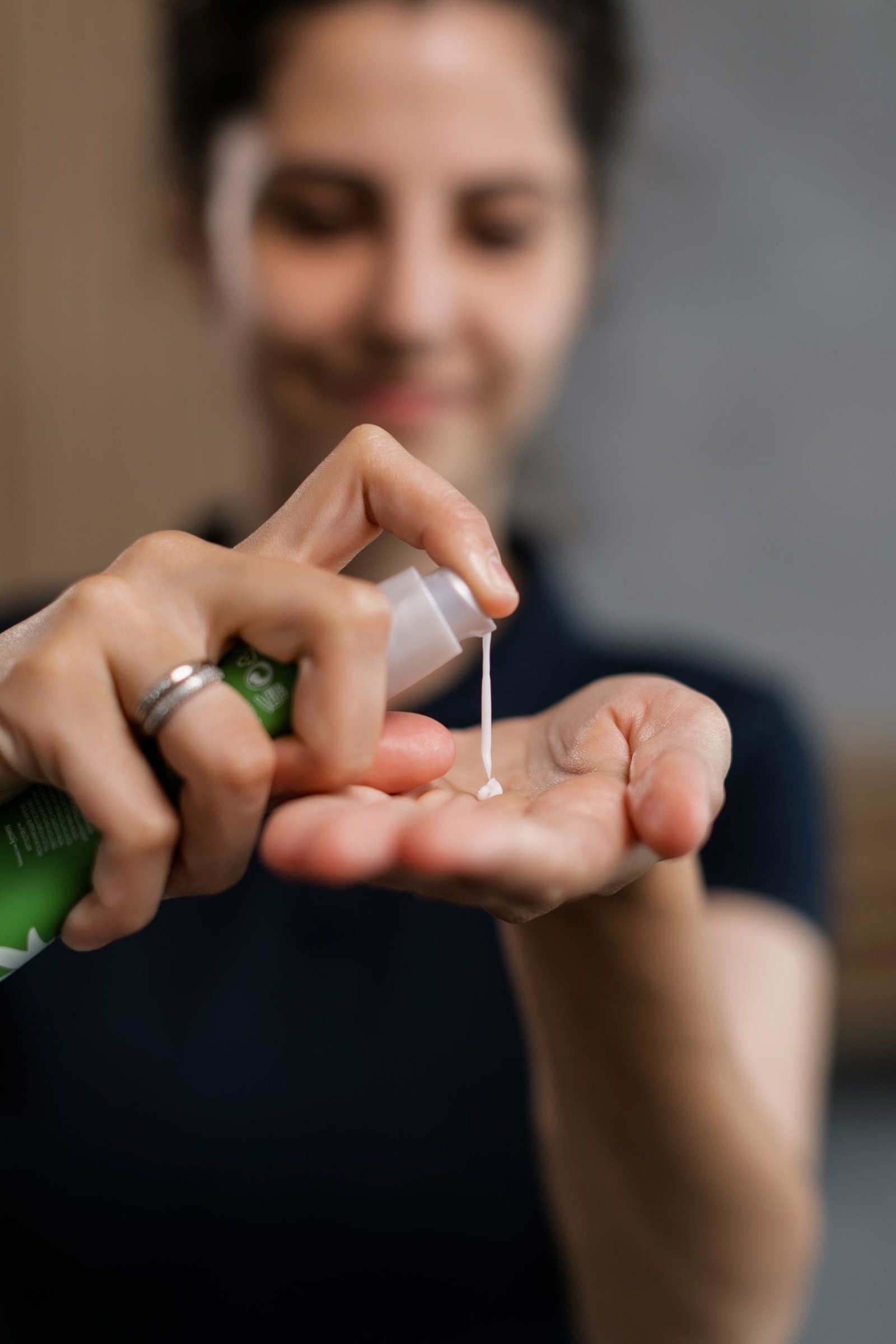
Reaching for a product because it says “dermatologist tested” on the front feels like a reasonable shortcut. It implies that medical professionals evaluated the product, found it safe, and signed off on it — a layer of professional oversight between the brand and the consumer. That’s the impression the claim is designed to create. It’s not what the claim actually requires.
Understanding what “dermatologist tested” and its variants actually mean in regulatory terms changes how useful they are as a purchasing signal — which is to say, significantly less useful than the prominent placement on the front of the package suggests.
What the Claims Actually Mean in Regulatory Terms
The FDA does not define “dermatologist tested,” “dermatologist recommended,” or “dermatologist approved.” There is no federal standard for what any of these claims require, no minimum number of dermatologists that must be involved, no specification of what testing must be conducted, and no requirement for independent verification of any kind.
A brand can place “dermatologist tested” on a product after having one paid consultant review the formulation — or after conducting a patch test with a small group of participants overseen by a dermatologist, regardless of what the results showed. The claim doesn’t require that the testing demonstrated safety, efficacy, or any particular outcome. It requires only that some form of dermatologist involvement occurred — at whatever level the brand decided was sufficient.
As covered in Why Personal Care Products Are Less Regulated Than You Think, the FDA’s authority over cosmetic claims is limited — the agency distinguishes between drug claims, which require substantiation, and cosmetic claims, which are held to a much lower standard. “Dermatologist tested” sits firmly in the cosmetic claim category — it implies professional credibility without triggering the evidentiary requirements that would apply to a drug claim about a specific physiological effect.
The result is that “dermatologist tested” functions as a marketing designation rather than a medical endorsement — a phrase that borrows credibility from a professional field without that field’s accountability.
The Range of What “Tested” Can Mean
The word “tested” is doing a lot of work in these claims — and what it conceals is as significant as what it implies.
At the most rigorous end of the spectrum, dermatologist testing can mean an independent, controlled clinical trial — a study with a defined methodology, a meaningful sample size, a control group, and results that have been independently reviewed. This kind of testing produces data that actually supports the claim being made and is transparent enough to be evaluated by someone other than the brand.
At the least rigorous end, dermatologist testing can mean a single paid dermatologist reviewed the ingredient list and didn’t object to the formulation. It can mean a patch test conducted on ten participants with no adverse reactions recorded. It can mean a consultation that took place before the formula was finalized, with no follow-up evaluation of the finished product. None of these are required to be disclosed — the brand isn’t obligated to specify what the testing involved, how many dermatologists participated, what methodology was used, or what the results showed.
Between these two extremes sits a wide range of involvement that the single phrase “dermatologist tested” covers without distinguishing between them. A consumer seeing the claim on a package has no way of knowing where on that spectrum the product falls — and the brand has no obligation to tell them.
“Dermatologist Recommended” and “Dermatologist Approved”
The variants of the claim — “dermatologist recommended” and “dermatologist approved” — imply something stronger than “tested” while requiring nothing additional in regulatory terms.
“Recommended” implies that a dermatologist actively endorses the product as a good choice for consumers — a stronger signal than simply having been involved in testing. In regulatory terms it requires nothing beyond what “tested” requires. A paid brand consultant who reviewed the formulation and expressed no objections can be the basis for a “dermatologist recommended” claim. The recommendation doesn’t have to be independent, comparative, or based on clinical outcomes — it just has to exist in some form the brand can point to.
“Approved” implies a formal sign-off — the suggestion that the product passed a defined evaluation and received explicit professional authorization. Again, no regulatory standard defines what this approval process must involve. A brand can use “dermatologist approved” based on the same level of involvement that supports “dermatologist tested” — a single consultant, a limited patch test, or a formulation review without clinical evaluation of the finished product.
The hierarchy implied by these terms — tested, then recommended, then approved — doesn’t correspond to a hierarchy of regulatory requirements. All three claims exist in the same unregulated space and can be supported by the same minimal level of dermatologist involvement.
How These Claims Interact with Marketing
“Dermatologist tested” rarely appears alone on a product. It typically accompanies other credibility-signaling language — “clinically proven,” “scientifically tested,” “clinically validated,” “dermatologist formulated” — that collectively create an impression of rigorous professional and scientific evaluation.
These companion claims carry the same regulatory profile as the dermatologist claims themselves. “Clinically proven” has no federal definition — it doesn’t specify what was clinically tested, what the study design was, what outcomes were measured, or whether the results were independently reviewed. “Scientifically tested” covers any testing that involved a scientific methodology — which, interpreted broadly, includes almost anything. “Dermatologist formulated” means a dermatologist was involved in the formulation process — it doesn’t specify what that involvement looked like or what standards the formulation was held to.
What these claims share is their function — they borrow authority from medicine, science, and professional expertise to create trust in a product before the ingredient list is read. As covered in Personal Care Marketing Claims: What They Really Mean, this is how personal care marketing language works broadly — the front of the package creates an impression that the ingredient list and independent evaluation are needed to verify.
The placement of these claims matters too. “Dermatologist tested” appears prominently — large font, front of package, near the product name — because it’s designed to be seen before anything else. The ingredient list, by contrast, is on the back in small print. The hierarchy of visual prominence is the opposite of the hierarchy of informational value.
What Independent Dermatological Evaluation Actually Looks Like
There are personal care products and ingredients that have been independently evaluated by dermatologists — and knowing what that looks like helps identify when a claim is backed by something substantive.
Peer-reviewed dermatological research — studies published in indexed journals like the Journal of the American Academy of Dermatology, Contact Dermatitis, or Dermatitis — represents independent evaluation that has been reviewed by other experts in the field before publication. When a brand cites peer-reviewed research on a specific ingredient or formulation, that’s a more substantive basis for a claim than a consultant review.
Randomized controlled trials — studies that assign participants randomly to treatment and control groups and measure defined outcomes — are the strongest evidence base for claims about a product’s effects. They’re expensive and time-consuming, which is why most personal care products aren’t evaluated through RCTs. When they do exist for specific ingredients or formulations, they represent a meaningfully different level of evidence than what “dermatologist tested” typically implies.
Independent patch testing conducted by certified dermatological laboratories — rather than by a brand-selected consultant — produces data about skin compatibility that is more verifiable than in-house testing. Some brands disclose their testing methodology and results publicly, which allows the basis for the claim to be evaluated rather than simply taken at the brand’s word.
The presence of these forms of evaluation — peer-reviewed research, RCT data, independent laboratory testing with disclosed methodology — is worth noting when you find them. Their absence, behind a prominent “dermatologist tested” claim, is what the front of most personal care packages is asking you not to look for.
What to Use Instead
The tools that provide more reliable information than dermatologist claims are the same ones covered across the personal care category — and they’re more accessible than a medical endorsement implies.
The ingredient list tells you what’s actually in the product. As covered in How to Read a Personal Care Ingredient List, reading the ingredient list before evaluating any front-of-package claim gives you direct access to the formulation rather than a brand’s characterization of it. A product with a prominent “dermatologist tested” claim and an ingredient list containing synthetic fragrance, parabens, and formaldehyde-releasing preservatives is communicating two very different things depending on which part of the packaging you read.
Third-party certifications — EWG Verified, MADE SAFE — provide independent ingredient evaluation that dermatologist claims don’t. As covered in What Third-Party Certifications Actually Tell You, these certifications evaluate formulations against defined criteria administered by organizations with no financial stake in the outcome. Their presence alongside a dermatologist claim adds a layer of verification the claim itself doesn’t provide.
EWG Skin Deep, CosDNA, and INCIDecoder allow ingredient-level lookup that produces specific information about documented concerns — information that a dermatologist tested claim doesn’t contain and isn’t required to.
Borrowed Credibility
“Dermatologist tested” is a trust signal. It works by associating a product with professional medical authority — an association that most consumers don’t examine closely enough to ask what it actually required. The answer, in most cases, is less than the prominent placement on the front of the package suggests.
That doesn’t mean every product carrying the claim was evaluated minimally — some genuinely were evaluated rigorously. It means the claim itself doesn’t tell you which kind you’re looking at. The ingredient list, independent certifications, and ingredient databases do — and they’re available on or accessible from every product, regardless of what the front of the package says.
The framework is one piece of the picture. Browse our Personal Care articles to build on what you know — and make more informed choices about what goes on your body.


Leave a Reply