
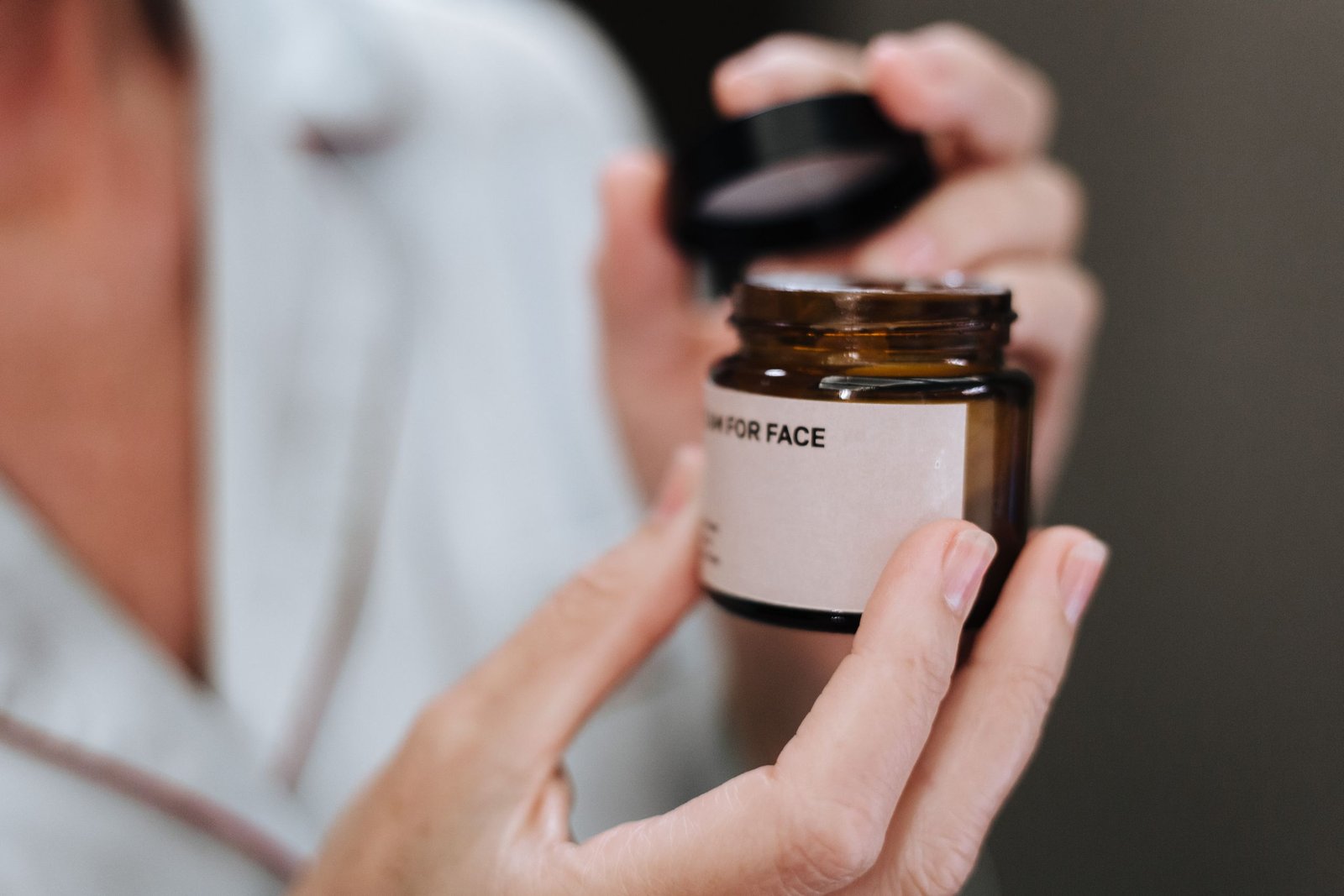
The most common phrases on almost any personal care product are right there on the front of the packaging. Clean. Natural. Gentle. Dermatologist-tested. Hypoallergenic. Non-toxic. Free from parabens, sulfates, phthalates. The words accumulate across every brand, every category, every price point — all of them implying something better without most of them being required to deliver it.
These words are doing a job. That job is creating a feeling of safety, transparency, and quality that influences purchasing decisions before a single ingredient is read. Understanding how that language works — and what it does and doesn’t actually tell you — changes how useful the front of a product package actually is.
Why Marketing Language Exists Separately from Regulation
The FDA regulates personal care products as cosmetics — a category with significantly less regulatory oversight than food or pharmaceuticals, as covered in Why Personal Care Products Are Less Regulated Than You Think. Within that framework, the claims a brand makes on a product label fall into two categories: drug claims and cosmetic claims.
A drug claim asserts that a product affects the structure or function of the body — “reduces wrinkles,” “stimulates hair growth,” or “kills bacteria” are examples. Drug claims trigger additional regulatory requirements because they imply a physiological effect the FDA regulates. A cosmetic claim asserts that a product affects appearance — “moisturizes,” “softens,” “cleanses.” Cosmetic claims are held to a much lower evidentiary standard.
The significant space between these two categories is where most personal care marketing language lives. Terms like “natural,” “clean,” “gentle,” and “hypoallergenic” are neither drug claims nor specific cosmetic claims — they’re impression-based marketing language that the FDA doesn’t regulate as either. A brand can apply them to any product without meeting a defined standard, conducting specific testing, or submitting to external review. The result is a label landscape where the most prominent words are often the least regulated ones.
The Most Common Terms — Decoded
Natural / All-Natural has no federal definition in personal care — identical to the situation in food labeling covered in our article on what “natural” on a food label actually means. Any brand can apply it to any product regardless of what the formulation contains. A product can include synthetic preservatives, petroleum-derived emollients, and synthetic fragrance compounds and still carry an “all-natural” label without any regulatory conflict.
Clean functions as a self-defined marketing category with no federal standard — covered in detail in What “Clean Beauty” Actually Means — and What It Doesn’t. What “clean” means varies by brand and retailer, and none of those definitions require external verification. A product carrying a clean label has met whatever standard the brand or retailer decided to apply — which may be rigorous or nominal depending on the source.
Gentle / Mild implies that a product is unlikely to cause irritation — but neither term has a regulatory definition or a required testing standard behind it. A brand can describe a product as gentle based on its own assessment without conducting patch testing, clinical trials, or any external evaluation. The term reflects the brand’s positioning, not a verified characteristic of the formulation.
Hypoallergenic is one of the most widely misunderstood terms in personal care marketing. It implies a reduced likelihood of causing allergic reactions — but the FDA has no definition for hypoallergenic and no requirement for what testing, if any, must be done before a product carries the label. Research has consistently found that products labeled hypoallergenic contain known allergens — including fragrance compounds, preservatives, and botanical extracts — at rates that don’t meaningfully differ from products without the label. The term communicates an impression rather than a verified property.
Dermatologist-Tested / Dermatologist-Recommended / Dermatologist-Approved implies professional endorsement — but none of these terms have regulatory definitions or minimum standards. “Dermatologist-tested” means a dermatologist was involved in some aspect of testing — it doesn’t specify what was tested, how many dermatologists were involved, what the results showed, or whether the testing was independent. “Dermatologist-recommended” and “dermatologist-approved” can reflect a single paid consultant’s endorsement with no requirement for independent verification. A dedicated article goes deeper on what these terms actually require — the short version is that they’re marketing designations rather than clinical endorsements.
Non-Toxic has no federal definition in personal care. It implies that a product contains no harmful ingredients — but no regulatory standard defines what “toxic” means in this context, and no external body verifies the claim. A product can carry a non-toxic label while containing ingredients with documented health concerns that don’t meet whatever informal threshold the brand has set for the term.
Free-From claims — “paraben-free,” “sulfate-free,” “phthalate-free” — are among the more specific marketing claims available because they reference named ingredients rather than vague qualities. They’re more verifiable than terms like “natural” or “gentle” — if a product says paraben-free, it should contain no parabens, and that can be confirmed against the ingredient list. The limitation is what free-from claims don’t tell you: what replaced the excluded ingredient. A paraben-free product may use a different preservative with a less established safety profile. A sulfate-free shampoo may use alternative surfactants that present their own considerations. Free-from tells you what’s absent — not what’s present in its place.
Fragrance-Free vs. Unscented is a distinction worth knowing specifically. Fragrance-free means no fragrance compounds have been added — for scent or masking purposes. Unscented means the product has no detectable scent — but it may contain fragrance compounds added specifically to mask the smell of other ingredients, which are not required to be disclosed. As covered in What “Fragrance” on a Label Actually Means, “unscented” is a weaker and less reliable standard than “fragrance-free” for those looking to minimize fragrance compound exposure.
How Packaging Design Amplifies the Message
Marketing language doesn’t work alone. The visual design of personal care packaging reinforces the impression that the words create — often before a single word is read.
Minimalist packaging — white or kraft paper backgrounds, sparse text, simple typography — signals transparency and simplicity. It implies that the product has nothing to hide and that less is more. That impression doesn’t require a short ingredient list or a clean formulation to create — it requires design choices that communicate those qualities visually.
Green and earth tones signal naturalness and environmental consciousness — associations that operate through color psychology rather than formulation reality. A product in green packaging with botanical imagery communicates “natural” independently of what its ingredient list contains.
Serif fonts and handwritten-style typefaces communicate artisanal quality and small-batch production — an impression that a large manufacturer can create as easily as a small independent maker. Minimalist glass packaging communicates premium quality and ingredient transparency — regardless of what the glass contains.
These design signals are not inherently deceptive — they reflect genuine brand aesthetics and consumer preferences. But they work by creating impressions that influence purchasing decisions, and those impressions don’t require the product to substantiate them. A product with a beautiful, minimal, earth-toned package can contain a long list of synthetic compounds that contradict every visual signal the packaging sends.
The Difference Between a Marketing Claim and a Verified Claim
The structural difference between a self-applied marketing term and a third-party certified claim is the difference between a brand describing itself and an independent organization evaluating it against defined criteria.
When a brand calls its product “natural,” “clean,” or “gentle,” it is making an assessment about its own product based on its own definition of those terms — without external review of whether the definition is meaningful or whether the product meets it. The brand has a financial stake in the claim being persuasive.
When a product carries EWG Verified or MADE SAFE certification, an independent organization has evaluated every ingredient against defined safety criteria and confirmed that the product meets them. The certifying organization has no financial stake in a positive outcome — its value is in the integrity of its standard. As covered in What Third-Party Certifications Actually Tell You, certifications have their own limits and gaps. But they represent a fundamentally different category of claim — one where the standard is external, the evaluation is independent, and the result is verifiable.
The presence of a third-party certification alongside marketing language is a meaningful differentiator. Its absence doesn’t make a product suspect — but it does mean the marketing claims on the package are the brand’s own assessment of itself, which is worth treating accordingly.
How to Read Past the Front of the Package
The front of a personal care package is marketing real estate. It’s designed to create a positive impression and influence a purchase. The information worth having is almost always somewhere else.
The ingredient list — on the back or side of the package — tells you what’s actually in the product. As covered in How to Read a Personal Care Ingredient List, reading the ingredient list before evaluating any front-of-package claim gives you a more accurate picture of what you’re evaluating. Marketing language that conflicts with the ingredient list — a product labeled “fragrance-free” that lists “fragrance” or “parfum” in the ingredients, for example — is immediately identifiable once you know where to look.
Third-party certifications — EWG Verified, MADE SAFE, GOTS, OEKO-TEX for textile-based products — add a layer of independent verification that marketing language doesn’t provide. Their presence alongside a product is worth noting; their absence means the claims on the front are the brand’s own.
Tools like EWG Skin Deep, CosDNA, and INCIDecoder allow ingredient-level lookup that bridges the gap between the ingredient list and what those ingredients actually mean — practical tools covered in the transition article for building familiarity with personal care ingredients over time.
The sequence that produces the most accurate evaluation is consistent: ingredient list first, certifications second, marketing claims last. In that order, the front of the package becomes context rather than evidence.
A Feeling vs. a Fact
Marketing language is designed to create a feeling. Ingredient lists and certifications are designed to communicate facts — imperfectly, with gaps, but within a framework that has more accountability than a brand’s own description of itself.
Knowing which is which doesn’t require cynicism about every product that uses these terms — some brands that use “natural” or “clean” have genuinely invested in formulation transparency and responsible sourcing. It requires treating marketing language as a starting point rather than a conclusion, and using the information that’s actually subject to verification — the ingredient list, the certifications — to complete the picture.
The framework is one piece of the picture. Browse our Personal Care articles to build on what you know — and make more informed choices about what goes on your body.

Leave a Reply