
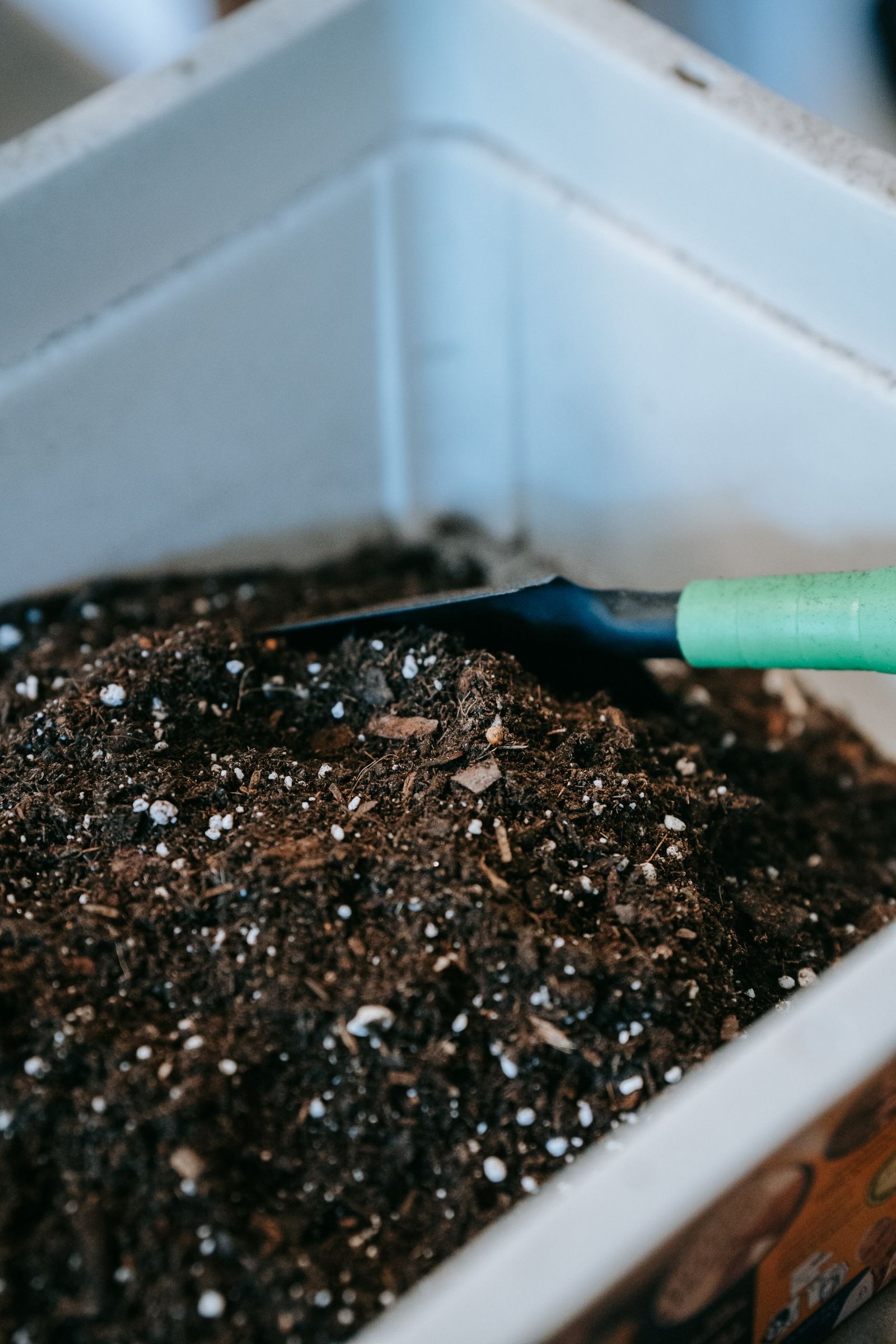
When most people think about food quality, they think about what’s on the label — the ingredient list, the certifications, the sourcing claims. What the soil the food was grown in contributes to its nutritional profile and chemical content rarely enters that conversation. It doesn’t appear on any label. It isn’t communicated by most certifications. And it’s one of the more significant determinants of what’s actually in the food by the time it reaches a plate.
Soil isn’t just dirt. It’s the foundation of everything a plant becomes — and understanding what healthy soil does, what depleted soil produces, and what contaminated soil transfers into crops changes how useful sourcing decisions actually are.
What Soil Health Actually Means
Healthy soil is a living ecosystem — not just a growing medium but a complex community of bacteria, fungi, and other microorganisms that work together to break down organic matter and release nutrients that plant roots can absorb. A teaspoon of healthy agricultural soil can contain billions of microorganisms representing thousands of species. That biological diversity is what drives the chemical processes that determine how nutritious the food grown in it actually is.
When that community is healthy and active, plants have access to a wide range of minerals and nutrients from the surrounding soil. When it’s been damaged or depleted — through overuse, chemical application, or poor farming practices — plants lose access to much of that nutrition, even if they still grow and look healthy on the surface.
Maurya et al.’s review of soil quality indicators documented the range of biological, chemical, and physical properties that define healthy soil — including microbial activity, organic matter content, and mineral availability. These properties directly determine how much nutrition a plant can absorb from the ground it grows in.
How Soil Affects Nutritional Content
Plants get their minerals and nutrients from soil. If those nutrients aren’t present in the soil in forms plants can absorb, they can’t be present in the food the plant produces — regardless of how the crop looks or how much of it grows.
Research comparing the nutritional content of fruits and vegetables over time has found measurable declines in key nutrients — including calcium, magnesium, iron, zinc, and vitamin C — across decades of data. A widely cited 2004 analysis published in the Journal of the American College of Nutrition examined USDA nutritional data from 1950 and 1999 for 43 common garden crops and found consistent declines in protein, calcium, phosphorus, iron, and vitamin C across that period. The researchers attributed these declines primarily to changes in farming practices and soil health rather than to the food itself.
The mechanism is direct. Synthetic fertilizers — the primary nutrient source in conventional farming — provide the three main nutrients plants need to grow: nitrogen, phosphorus, and potassium. They don’t replace the full range of trace minerals that healthy, biologically active soil naturally cycles. A crop can achieve high yield and look healthy while being lower in the minerals that well-nourished soil would support.
Soil fungi play a specific role worth understanding. Certain fungi form partnerships with plant roots — extending the root system’s reach far into the surrounding soil, pulling in minerals from a much wider area than the roots themselves could access. These fungal networks are damaged by tillage, fungicide application, and soil depletion. When disrupted, plants lose one of their most effective tools for absorbing a full range of minerals — and the food they produce reflects that loss.
How Soil Affects Chemical Content
Soil doesn’t only determine what nutrients plants absorb — it also determines what harmful compounds end up in the food. Plant roots absorb what’s in the soil without distinguishing between what’s beneficial and what isn’t.
Heavy metals are the most significant contamination concern from agricultural soil. De Vries, Römkens, and Schütze’s research on critical soil concentrations of cadmium, lead, and mercury documented how these metals move from contaminated soil into crops and ultimately into the human food supply. Their companion research found that soil properties — including pH and organic matter content — affect how readily plants take up heavy metals, meaning the same level of contamination in two different soils can produce very different results in the food grown there.
Cadmium accumulates preferentially in leafy vegetables and root crops and has no safe role in the human body. Lead persists in soil near historically industrial areas, old roads, and properties where lead-based paint was used — and crops grown in that soil absorb it. As covered in What Are Heavy Metals, both accumulate in body tissue over time rather than clearing between exposures, which makes soil contamination a chronic dietary concern rather than a one-time risk.
Pesticide residues in soil follow a similar pattern. Certain older pesticides that have since been banned persist in agricultural soil for decades after their last application — and crops grown in that soil continue to absorb them. More recently used pesticides also remain in soil between growing seasons, affecting both the crops and the soil biology that those crops depend on.
What Conventional Farming Does to Soil
The farming practices that dominate conventional agriculture have well-documented effects on soil health — and those effects accumulate over time.
Synthetic fertilizers feed plants directly but don’t support the broader soil community that makes a wider range of nutrition available naturally. Over time, soils managed primarily with synthetic inputs lose biological diversity and become increasingly dependent on those inputs to produce any crop at all. The more depleted the soil community becomes, the less capable it is of functioning independently — a cycle that degrades soil health with each passing season.
Synthetic pesticides and herbicides affect more than their target organisms. Baćmaga, Wyszkowska, and Kucharski’s research on fungicide-contaminated soil found that fungicide application significantly disrupted the microbial community and biological activity of treated soil — reducing the processes that drive natural nutrient cycling. Herbicides produce similar effects on soil biology beyond their intended target of unwanted plants.
Tillage — the practice of mechanically turning soil before planting — breaks apart the fungal networks that healthy soil depends on. Repeated tillage keeps those networks permanently disrupted, reducing the plant’s ability to access minerals from the surrounding soil.
Qiu et al.’s research on microplastics in agricultural soil found that microplastic contamination — entering soil through plastic mulch films, wastewater irrigation, and atmospheric deposition — affects soil structure and the microbial communities that support plant nutrition. This connects the microplastic contamination covered in What Are Microplastics — and Where Do They Show Up to soil health and dietary exposure in ways that are still being actively researched but are significant enough to note.
What Regenerative and Organic Farming Do Differently
Farming practices that prioritize soil health produce measurably different food — because they start with what they do to the ground.
Organic certification prohibits synthetic pesticides and fertilizers — removing two of the primary drivers of soil community disruption. Organic farms typically incorporate composting, crop rotation, and cover cropping — practices that add organic matter back to the soil and support the biological diversity that drives natural nutrient cycling. Research comparing organically and conventionally grown produce has found higher levels of certain antioxidants, minerals, and plant compounds in organic crops — differences researchers attribute primarily to soil health differences between the two production systems.
Regenerative agriculture goes further by actively working to rebuild soil health — using practices like reduced tillage, diverse crop rotations, and extensive composting to restore the microbial diversity and organic matter that intensive farming has depleted. The Regenerative Organic Certified standard is the most comprehensive third-party certification currently available for this approach, combining organic standards with specific soil health, animal welfare, and social equity requirements.
Small farms and local producers who compost, rotate crops, and avoid synthetic inputs may produce food with a soil health profile comparable to certified organic — without carrying the certification. A direct conversation with a farmer about their practices often gives more useful information than any label claim.
What This Means for How You Shop
Soil health doesn’t appear on any label — but sourcing decisions meaningfully address it.
USDA Organic certification is the most widely available proxy for farming practices that support soil health. It doesn’t specifically certify soil health — but the practices it requires tend to support soil biology relative to conventional alternatives. As covered in What Third-Party Certifications Actually Tell You, it has limits — but for soil health specifically, the prohibition on synthetic pesticides and fertilizers addresses two of the most significant drivers of soil degradation.
Farmers markets and direct-to-consumer purchasing allow the kind of direct inquiry that labels don’t support. Asking a farmer whether they compost, how they manage soil fertility, and whether they use cover crops gives you information no certification communicates — and for farms that prioritize these practices without formal certification, it’s often the most reliable source of that information.
Diversifying produce across different varieties, seasons, and sources distributes both nutritional and contamination exposure rather than concentrating it in a small number of high-volume commercial crops. As covered in How to Build a Lower-Toxin Grocery List, this is one of the more practical ways to improve overall food quality without overhauling an entire shopping routine.
The Foundation Beneath the Food
The label tells you what was added to the food. It doesn’t tell you what the soil contributed — or failed to contribute — before the food ever left the ground. Nutritional density, mineral content, and contamination from heavy metals or persistent pesticides are all shaped below the surface, by the biological and chemical environment that farming practices either support or degrade.
Sourcing decisions — organic certification, direct farm relationships, and diverse produce choices across seasons and varieties — are the most practical available response to a dimension of food quality that labels can’t communicate. They shift the odds in the right direction without requiring perfect information about every field where every crop was grown.
The references used in this article are a starting point — we encourage you to read further and draw your own conclusions.
Ready to keep going? Browse our Mindful Eating articles to build a clearer picture of what’s in your food and how to evaluate it.


Leave a Reply