
EMF has come up across several articles in the Hidden Toxin Exposure Series — in the bedroom, the home office, the living room — without a dedicated piece explaining what it actually is, what the different types are, and what the research shows about the levels most people encounter at home. This article fills that gap.
What EMF Actually Is
EMF stands for electromagnetic fields — invisible fields of energy produced by electricity and wireless signals. They are a natural part of the physical world. The earth has its own electromagnetic field, the human body produces small electrical currents as part of normal biological function, and sunlight is a form of electromagnetic radiation. What has changed in the modern environment is the number and variety of human-made electromagnetic fields people encounter in everyday life, including those produced by household wiring, appliances, and wireless devices.
One of the most important distinctions when discussing EMF is between ionizing and non-ionizing radiation. Ionizing radiation — including X-rays, gamma rays, and the higher-energy portion of ultraviolet radiation — carries enough energy to remove electrons from atoms and can damage DNA. Its potential to cause harm at sufficiently high exposures is well established.
Non-ionizing radiation does not carry enough energy to directly remove electrons from atoms. The EMF produced by household wiring, WiFi routers, mobile phones, and many other wireless devices falls within the non-ionizing portion of the electromagnetic spectrum. The biological effects of non-ionizing EMF can vary depending on factors such as frequency, intensity, duration, and distance from the source, which is why exposure type and level matter when evaluating potential health effects.
The Different Types of EMF in the Home
Not all EMF in the home is the same. Different sources produce different types of fields at different frequencies, and understanding these distinctions can help put household exposures into context.
Extremely low frequency (ELF) fields are produced by electrical wiring, power lines, and appliances that operate using standard household electricity. Electrical devices can produce ELF electric and magnetic fields while operating, with field strength generally decreasing as distance from the source increases. Appliances such as electric blankets and other devices used in close, sustained contact can result in greater exposure than the same devices used farther away.
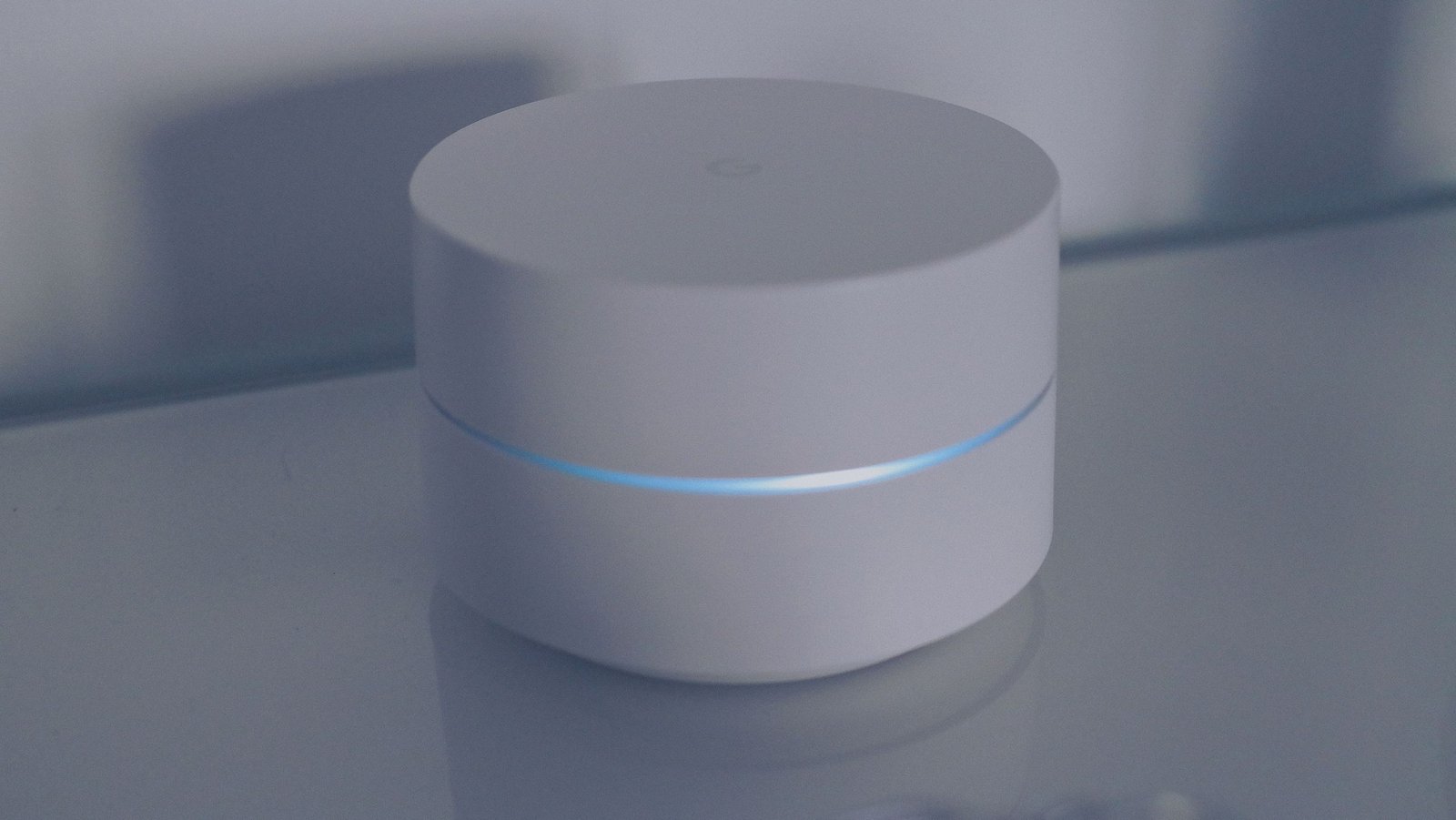
Radiofrequency (RF) fields are produced by wireless communication devices, including WiFi routers, mobile phones, smart meters, Bluetooth devices, baby monitors, and other connected devices. RF fields operate at much higher frequencies than ELF fields. Exposure varies considerably depending on the device, distance, signal strength, duration of use, and whether the device is transmitting.
Dirty electricity is a term used to describe electrical interference or high-frequency voltage transients that can occur on electrical wiring. Certain electronic equipment, including switching power supplies and variable-speed motors, can contribute to these transients. Compared with ELF and RF fields, this area has been less extensively studied in relation to health outcomes, and the term itself is used inconsistently across consumer and technical sources.
What the Research Shows
The research on EMF is extensive but varies considerably depending on the type of field, frequency, exposure level, and health outcome being studied. Findings have not been consistent across all studies, and conclusions about potential health effects depend heavily on the specific exposure being evaluated.
For ELF fields, research has examined possible associations with several health outcomes, including childhood leukemia and other forms of cancer. Earlier reviews, including work by Valberg and Kavet in the 1990s, described inconsistencies across studies and uncertainty about potential biological mechanisms. Subsequent research has continued to examine these associations.
For RF fields, the International Agency for Research on Cancer (IARC) classified radiofrequency electromagnetic fields as Group 2B, possibly carcinogenic to humans, in 2011. The classification was based largely on limited evidence from human studies involving wireless phone use and certain brain tumors, along with supporting evidence from experimental research. A Group 2B classification indicates that a causal relationship is considered possible but that chance, bias, or other explanations cannot be ruled out.
Since that classification, additional research has examined potential associations between RF exposure and outcomes including cancer, neurological effects, oxidative stress, and other biological changes. Results have varied, and research findings do not establish that typical household RF exposure causes these outcomes.
The distinction between hazard and demonstrated risk is important here. A substance or exposure can be classified as a potential hazard without the available evidence establishing that typical levels of exposure cause harm. Exposure level, duration, frequency, and route all matter when evaluating risk.
The Highest Exposure Points in the Home
Where EMF exposure occurs in the home depends on the sources present, how close a person is to them, and how long they are used. Looking at these factors can help identify where exposure may be reduced most easily.
The bedroom during sleep can involve prolonged proximity to devices such as phones, WiFi equipment, electric blankets, smart speakers, and other electronics. Because these devices may remain near the body for several hours, their placement and use during sleep are relevant when considering overnight exposure.
The home office during work hours can involve several devices operating in the same space, including computers, monitors, phones, WiFi equipment, wireless accessories, and other electronics. For people who spend many hours working from home, both duration and proximity can influence overall exposure.
WiFi router proximity is one factor that can be easily changed. Routers emit RF signals while transmitting, and RF exposure decreases with increasing distance from the source. Placing a router farther from areas where people spend extended periods can therefore reduce exposure in those areas.
Phone use habits can also have a significant effect on personal RF exposure. A mobile phone generally transmits at higher power when it has a weaker connection. During calls, keeping the phone away from the head by using speakerphone or wired headphones increases the distance between the body and the transmitting device.
Smart meters use wireless communication to transmit electricity usage information. Their transmission patterns vary by utility and meter, and exposure generally decreases with distance. For people interested in household RF sources, the location of a smart meter relative to frequently occupied areas is one factor to consider.
What Children’s Exposure Looks Like
Children are an important population to consider when discussing environmental exposures because their bodies and nervous systems are still developing and they may experience longer lifetime exposure than adults.
Research has examined potential associations between residential ELF exposure and childhood cancer. Earlier reviews, including work by Kheifets, Sussman, and Preston-Martin, reported associations in some studies between higher residential ELF exposure and childhood brain tumors while also noting limitations in the available evidence. Later research has produced mixed findings.
Children’s exposure to RF fields has also received attention because wireless devices are increasingly used from a young age. Some research has examined whether factors such as head size, tissue composition, and developing nervous systems may influence RF absorption. However, these considerations do not by themselves establish that typical wireless device exposure causes harm.
The American Academy of Pediatrics has recommended practical steps to reduce children’s exposure to cell phone RF radiation, including increasing distance from the body and limiting unnecessary use. These recommendations reflect a precautionary approach rather than a conclusion that typical exposure has been proven to cause harm.
Practical Steps to Reduce Exposure
Reducing household EMF exposure does not require eliminating modern technology. For those who want to reduce unnecessary exposure, the simplest approaches generally involve distance, duration, and device placement.
Wired connections can reduce RF emissions from devices that would otherwise communicate wirelessly. For example, connecting a computer to the internet through Ethernet rather than WiFi removes the need for that computer to transmit a WiFi signal while connected through the wired network.
WiFi timers can be used to turn off a router or its wireless function during periods when it is not needed, such as overnight. This can reduce RF transmission from the router during those hours.
Device placement matters because EMF exposure generally decreases as distance from a source increases. Keeping phones away from the body when they are not being used, placing routers away from frequently occupied areas, and avoiding prolonged direct contact with transmitting devices are simple ways to increase distance.
Wired headphones and earphones can increase the distance between a phone and the head during calls. This reduces direct exposure from holding a transmitting phone against the head. Bluetooth headphones still use wireless RF transmission, so they are not equivalent to a wired connection from an RF-exposure perspective.
EMF meters are consumer devices that can measure certain ELF and RF fields. They can provide readings at specific locations, but different meters measure different frequency ranges and field types. A reading is therefore only meaningful when you understand what the device measures, how it was calibrated, and what units it reports. Consumer meters should not be treated as a direct measure of health risk.
A Developing Picture
EMF is a broad category that includes many different types of electromagnetic fields, and the evidence surrounding potential health effects varies depending on the type and level of exposure being studied.
Non-ionizing radiation does not have enough energy to directly damage DNA in the same way that ionizing radiation can. At the same time, research has investigated whether certain non-ionizing exposures may produce biological effects through other mechanisms. Findings have varied across exposure types and study designs, and evidence from laboratory or observational research does not necessarily translate directly to typical household exposure.
For people who want to reduce unnecessary exposure, focusing on distance, duration, and the sources that are closest to the body provides a practical starting point. Many of these adjustments — such as moving a phone away from the bed or using a wired connection — can be made without eliminating the technology itself.
The references used in this article are a starting point for learning more. We encourage you to explore the research and consider the evidence for yourself.
The framework is one piece of the picture. Browse our Conscious Home articles to build on what you know — and make more informed choices about what you bring into your space.



Leave a Reply