
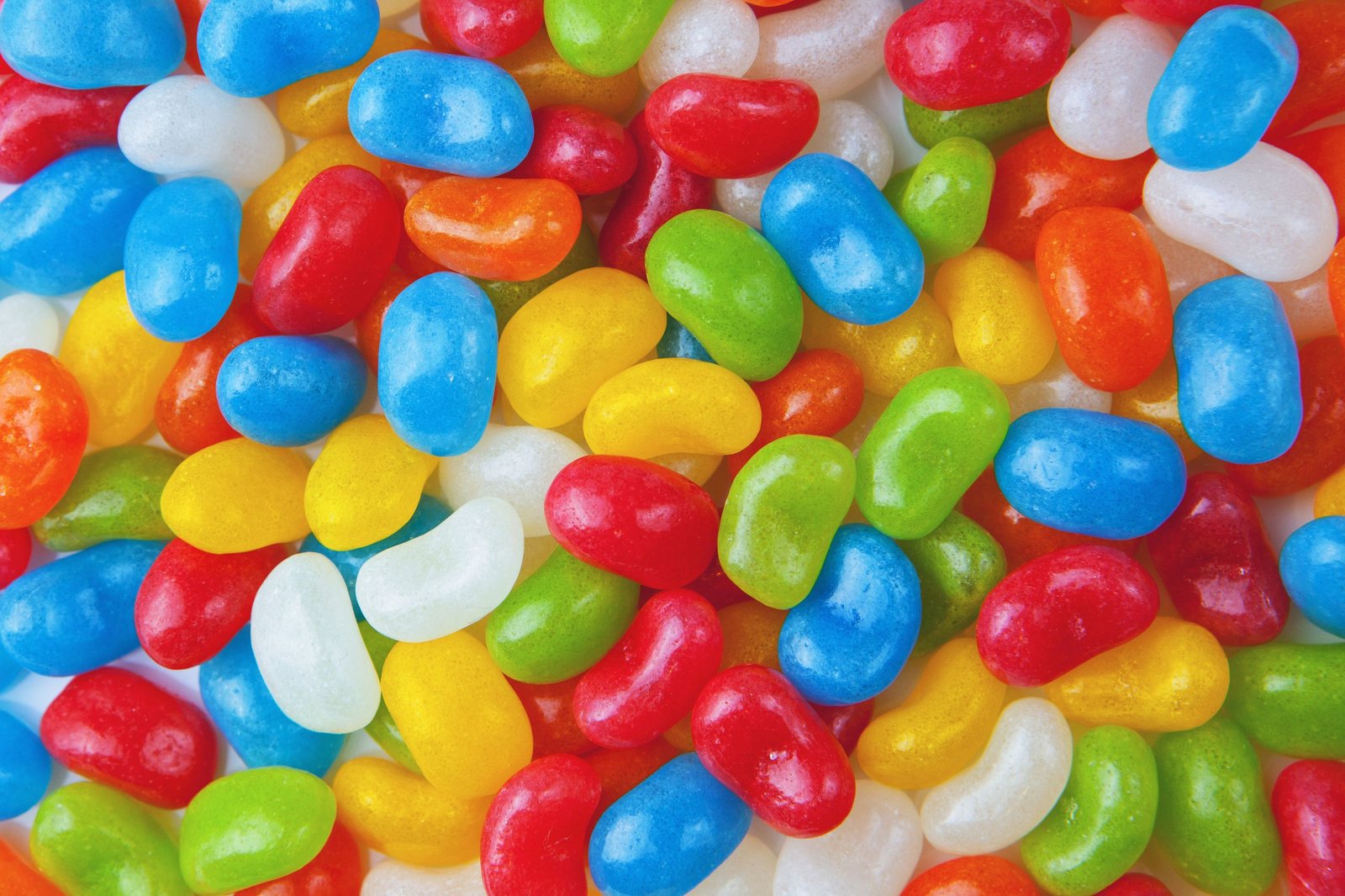
The bright red in a bag of candy, the vivid orange in a snack chip, the electric blue in a sports drink — none of those colors come from the food itself. They’re added deliberately, using synthetic compounds developed to make processed food more visually appealing. The colors work. They make food look more vibrant, more consistent, and more like what consumers expect. What they’re made from, what the research links them to, and why several of them are permitted in the U.S. while restricted or banned in other countries is a different conversation from the one that happens on the front of the package.
What Artificial Colors Actually Are
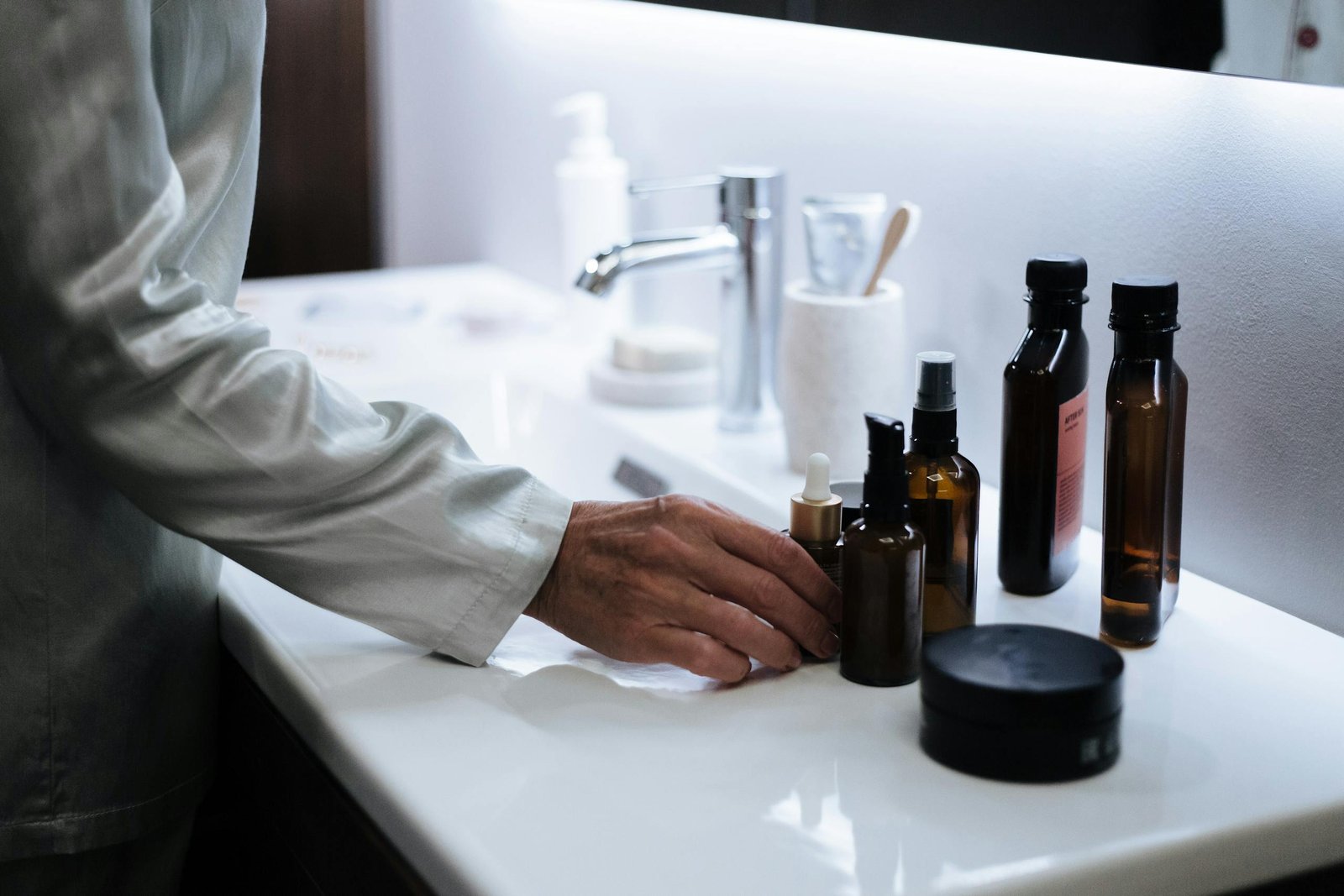
Parabens are a class of synthetic preservatives — chemical compounds added to personal care products to prevent the growth of bacteria, mold, and yeast. Their full chemical name is alkyl esters of para-hydroxybenzoic acid, which is where the name paraben comes from. In simpler terms, they’re a group of closely related compounds that share the same basic chemical structure but differ in the length of their carbon chain — a difference that turns out to matter for their behavior in the body.
Preservatives are a necessary component of most water-containing personal care products. Water creates an environment where microorganisms grow — without some form of preservation, a moisturizer, shampoo, or body wash would become contaminated quickly enough to present a genuine health risk. As Al-Halaseh et al. documented in their review of parabens in cosmetics, the preservative function parabens perform is real and important — they’re effective at low concentrations, stable across a wide pH range, and compatible with most formulation types. This is why they became the most widely used preservative class in personal care over the second half of the twentieth century.
What makes them worth examining is what happens once they’re absorbed into the body — which, given the range of products they appear in and the frequency with which those products are applied, is something that happens consistently for most people who use conventional personal care.
Where They Show Up
Artificial dyes appear across a wide range of processed and packaged food categories — often in products where the color isn’t the primary selling point but is present to maintain visual consistency or enhance appeal.
Breakfast cereals — particularly those marketed to children — are among the most significant sources, with multiple dyes often present in a single product. Candy, fruit-flavored snacks, and gummy products use dyes to create the bright, saturated colors associated with fruit flavors that the actual fruit ingredients don’t produce. Beverages — sports drinks, fruit punches, flavored waters, and soft drinks — use dyes to achieve consistent color across batches. Condiments including ketchup, salad dressings, and pickled products use dyes for visual consistency. Some baked goods, dairy products, and savory snacks use dyes that aren’t immediately obvious from the product’s appearance.
Less obviously, artificial dyes appear in medications, vitamins, and dietary supplements — including children’s vitamins and liquid medications — where color is used for product identification and appeal. This is worth knowing because medications and supplements are a source of dye exposure that most dye-reduction strategies don’t account for.
On an ingredient label, artificial dyes appear by their full names — “Red 40,” “Yellow 5,” “Blue 1” — or by their chemical names — “Allura Red AC,” “Tartrazine,” “Brilliant Blue FCF.” The numbered designations are the most immediately recognizable.
What the Research Shows
The most extensively documented health concerns associated with artificial food dyes fall into three categories — behavioral effects, hypersensitivity reactions, and carcinogenicity concerns for specific dyes.
Behavioral effects in children are the most widely known and most regulatory-impactful finding in the artificial dye research literature. The Southampton study — a 2007 randomized controlled trial published in The Lancet by McCann et al. — tested the effects of a mixture of six artificial food colors and the preservative sodium benzoate on children’s behavior. The study found that the mixture produced measurable increases in hyperactivity in both three-year-old and eight-to-nine-year-old children without a prior diagnosis of ADHD — a finding that was significant because it implicated dyes in behavioral effects in the general child population rather than only in children with pre-existing conditions. The research was rigorous enough that it prompted the European Food Safety Authority to review the evidence and the EU to require warning labels on foods containing the six dyes studied.
The FDA reviewed the same evidence in 2011 and concluded that a causal relationship between artificial dyes and hyperactivity had not been established in the general population — though it acknowledged an effect in sensitive individuals. This divergence in regulatory response to the same evidence reflects a fundamental difference in the precautionary standard applied in each jurisdiction rather than a difference in the evidence itself.
Hypersensitivity reactions — including hives, asthma exacerbation, and other allergic-type responses — are documented for several synthetic dyes, with Yellow 5 having the most extensively documented hypersensitivity profile. The FDA requires that Yellow 5 be specifically declared on food labels — one of the few dyes with its own disclosure requirement — because of its documented association with reactions in aspirin-sensitive individuals.
Carcinogenicity is the most serious documented concern and is most specifically associated with Red 3 — erythrosine. Red 3 was found to cause thyroid tumors in male rats in studies conducted in the 1980s. The FDA banned Red 3 from cosmetics and externally applied drugs in 1990 on the basis of the Delaney Clause — a provision in food safety law that prohibits the approval of food additives shown to cause cancer in animals. It took until January 2023 for the FDA to revoke authorization for Red 3 in food and ingested drugs — a gap of over three decades between the carcinogenicity finding and the regulatory action that followed from it. The revocation gave manufacturers until 2027 to reformulate products containing Red 3, meaning it remains in some products through that transition period.
Red 40 — the most widely used food dye in the U.S. — has faced ongoing research scrutiny including studies raising questions about DNA damage and carcinogenic potential. The evidence is less definitive than for Red 3, but the research base is active enough that it’s worth noting as an area of continued investigation.
The Regulatory Gap Between the U.S. and EU
The difference in how the U.S. and EU regulate artificial food dyes is one of the clearest illustrations of their different regulatory philosophies — and it has direct implications for what’s in food on each side of the Atlantic.
Following the Southampton study, the EU required warning labels on foods containing any of the six dyes studied — a label reading “may have an adverse effect on activity and attention in children.” That warning requirement prompted many major food manufacturers to reformulate their European products using natural colorants rather than carry the warning — a market-driven response to a regulatory requirement that the warning label itself incentivized.
In the U.S., no such warning label requirement exists. The FDA’s review of the Southampton evidence concluded that the science didn’t support mandatory labeling for the general population. The result is that products sold by the same manufacturers in the U.S. and EU can contain different colorants — artificial dyes in the U.S. version and natural alternatives in the EU version of the same product. This isn’t a theoretical possibility — it’s a documented practice across several major food brands.
Red 3 is banned in the EU. Several other dyes used in the U.S. are either banned or more tightly restricted in other jurisdictions with more precautionary regulatory standards. The pattern reflects not a difference in the underlying science but a difference in who bears the burden of proof — in the U.S., evidence of harm must be established before restriction; in the EU, the absence of established safety can be sufficient for precautionary action.
Natural Colorants as Alternatives
Natural colorants — derived from plant, animal, and mineral sources — are the primary alternative to synthetic dyes in food products reformulated for the EU market or positioned as cleaner-label options.
Common natural colorants include beet juice and betanin for red and pink, turmeric and annatto for yellow and orange, spirulina and chlorophyll for green and blue, and carmine — derived from cochineal insects — for red. These are required to be listed on ingredient labels by their common name, which makes them more transparent than synthetic dyes whose names don’t communicate their origin.
Natural colorants have real limitations that explain why synthetic dyes became dominant in industrial food production. They’re less stable — they fade or change color with heat, light, and pH changes during processing and storage. They’re less consistent — color varies between batches depending on the source material. They’re more expensive. And some shades — particularly bright blues and greens — are difficult to achieve with natural sources at the intensity that synthetic dyes produce.
These limitations don’t make synthetic dyes a necessary choice — they explain the industrial incentive structure that led to their adoption. Many brands have successfully reformulated with natural colorants for their EU products, demonstrating that the limitations are manageable rather than insurmountable when there’s regulatory or consumer pressure to do so.
It’s also worth knowing that “natural” colorants aren’t automatically without health considerations — carmine, derived from insects, is a documented allergen. Annatto has been associated with hypersensitivity reactions in some individuals. Natural origin doesn’t guarantee universal tolerability, though the overall concern profile of natural colorants is generally considered lower than synthetic dyes.
Practical Steps
Reducing artificial dye exposure is more straightforward than reducing some other additive categories because dyes are required to be listed by name on ingredient labels — making them identifiable without specialized knowledge.
The product categories where reduction is most impactful are those consumed most frequently and in the largest amounts — breakfast cereals, beverages, and snack foods that appear regularly in a diet are higher priority than occasional treats. For households with children, children’s vitamins, liquid medications, and school snacks are worth examining specifically — children’s products are disproportionately colored with synthetic dyes and children have higher relative exposure given their body weight.
Looking for products that use natural colorants — listed as beet juice, turmeric, annatto, spirulina, or similar — rather than certified color additives by number is a straightforward label-reading filter. Products that list no colorants at all are equally valid — many whole and minimally processed foods achieve their color naturally without any added coloring agent.
The NOVA framework covered in What Processed Really Means — and Why It Matters is a useful first-pass filter — artificial dyes are almost exclusively found in Group 4 ultra-processed foods. Reducing the proportion of ultra-processed food in a diet reduces artificial dye exposure at the category level without requiring ingredient-by-ingredient evaluation of every product.
Color Without a Purpose
Artificial dyes serve no nutritional function. They don’t improve flavor, extend shelf life, or add any benefit to the food beyond its appearance. They exist to make processed food look more appealing — a purely aesthetic function achieved through petroleum-derived synthetic compounds with documented health associations in a significant body of research.
Knowing what they are, where they show up, and what the research links them to puts you in a better position to recognize them on a label and make a more informed decision about how much of them you want in your diet — or in your children’s.
The references used in this article are a starting point — we encourage you to read further and draw your own conclusions.
Ready to keep going? Browse our Mindful Eating articles to build a clearer picture of what’s in your food and how to evaluate it.


Leave a Reply