
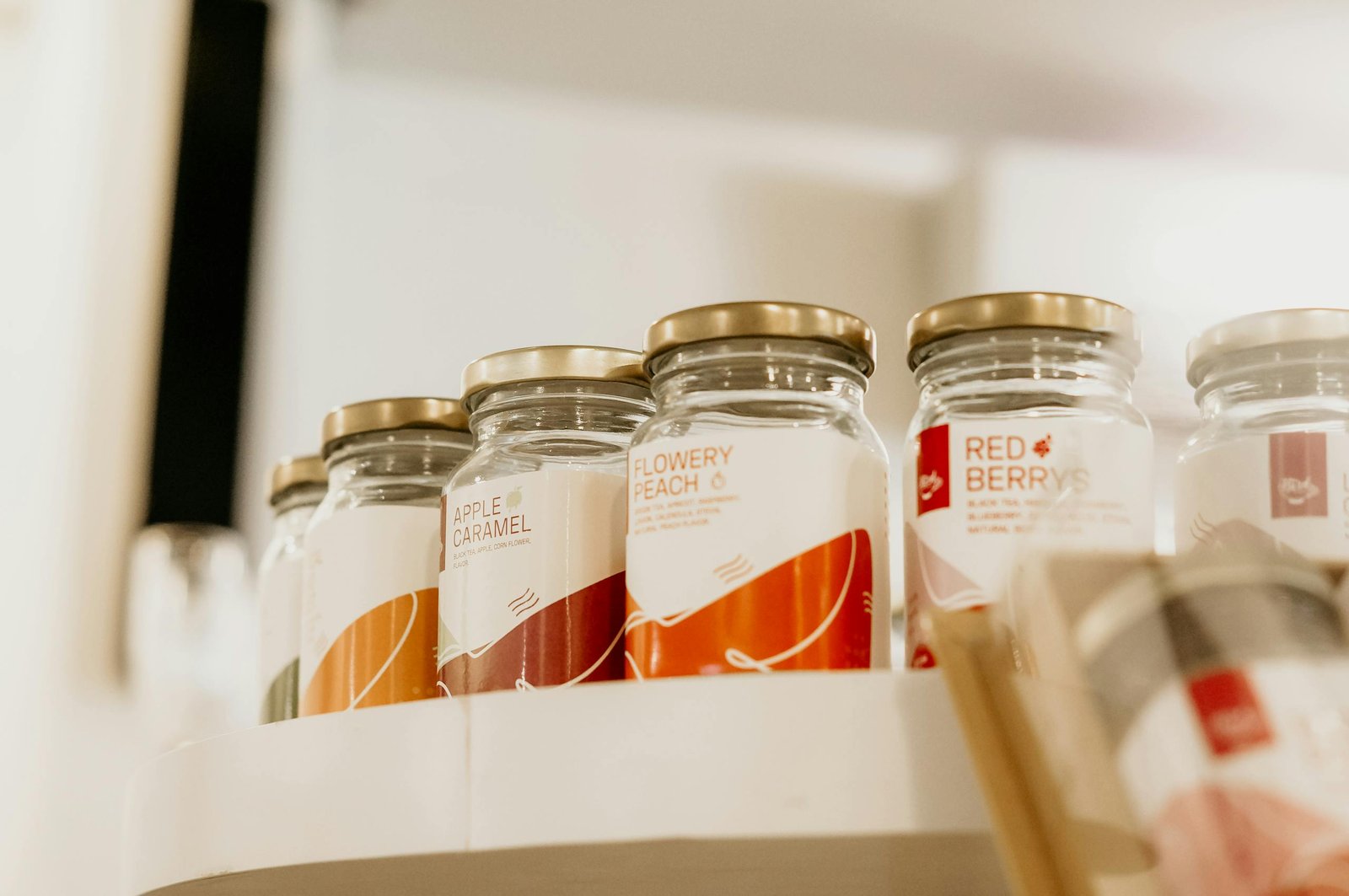
“Natural” is one of the most common terms on food packaging and one of the least meaningful. It appears on chips, cereals, beverages, snack bars, and frozen meals — across virtually every food category — communicating something that most consumers interpret as a quality or safety signal. It isn’t either of those things in any regulated sense.
Understanding what “natural” actually means on a food label — and what it doesn’t — changes how useful it is as a purchasing signal. Which is to say, not very.
What “Natural” Means Legally
The FDA has never established a formal definition for “natural” as applied to food. The agency’s current position, articulated in informal guidance rather than regulation, is that it does not object to the use of “natural” on a food label if the product contains no added color, artificial flavors, or synthetic substances. That informal standard has not been codified into regulation, is not consistently enforced, and leaves a significant amount of room for interpretation.
The FDA opened a public comment period in 2015 to consider whether a formal definition should be established — prompted in part by a wave of consumer lawsuits challenging “natural” claims on products containing high fructose corn syrup, GMO ingredients, and synthetic additives. The agency received over 7,600 comments. It has not issued a final rule. The term remains undefined and largely unregulated at the federal level.
The FTC, which oversees advertising claims, applies a similarly loose standard. Its guidance discourages “natural” claims that are likely to mislead consumers but doesn’t establish a definition that meaningfully restricts how the term can be used in practice.
The result is a term that any brand can apply to any product without meeting a defined standard, submitting to external review, or demonstrating that the claim is substantiated beyond the FDA’s informal baseline.
What “Natural” Doesn’t Cover
The gaps in what “natural” addresses are as significant as what it nominally covers.
Pesticide use is not addressed. A product made with conventionally grown ingredients — treated with synthetic pesticides and herbicides throughout production — can carry a “natural” label without any inconsistency under current guidance. The term says nothing about how ingredients were grown or what was applied to them in the field.
GMOs are not addressed. The FDA’s informal standard doesn’t exclude genetically modified ingredients, and products containing GMO-derived inputs have successfully defended “natural” labeling claims in court on the basis that the term isn’t formally defined. A “natural” label is not a non-GMO claim.
Processing methods are not addressed beyond the exclusion of synthetic substances. High-pressure processing, chemical extraction, and extensive refinement can all be applied to ingredients that still appear in a “natural” product. The degree to which an ingredient has been altered from its whole food source is not factored into whether the term can be used.
Additives occupy a gray area. The FDA’s informal standard excludes synthetic substances, but the definition of synthetic isn’t always clear in application. Some additives derived from natural sources — processed extensively before use — have appeared in products carrying “natural” labels. The term doesn’t function as a reliable signal that a product is free of additives worth knowing about.
Packaging is not addressed. A product labeled “natural” can be packaged in materials that affect what’s in the food — BPA-containing linings, PFAS-coated packaging, or plastic packaging prone to chemical migration under certain conditions. The label makes no claims about what the packaging contributes.
Animal welfare is not addressed. “Natural” on a meat or dairy product carries no implications about how animals were raised, what they were fed, or what standards governed their production.
How Manufacturers Use It
“Natural” functions primarily as a positioning term — a signal intended to communicate wholesomeness, minimal processing, and ingredient quality in a way that influences purchasing decisions without requiring the substantiation that a regulated claim would demand.
It appears most frequently on products in competitive categories where consumers are increasingly ingredient-aware — snack foods, beverages, condiments, and packaged foods where the presence of the term differentiates a product from conventional alternatives without requiring the reformulation or certification that a claim like USDA Organic would involve.
It also commonly appears alongside other label claims — “made with natural ingredients,” “all natural flavors,” “natural and artificial flavors” — where its presence is technically accurate in a narrow sense while the surrounding context is more complex. A product with “natural flavors” in its ingredient list contains flavor compounds derived from natural sources, but as covered in our article on food additives, the full composition of those compounds isn’t disclosed and their processing can be extensive.
The practical effect is that “natural” has become a term that signals a product wants to be associated with quality and minimal processing — without requiring either.
How It Compares to Regulated Terms
The contrast with regulated label terms is instructive.
USDA Organic is backed by a federal standard administered by the USDA’s National Organic Program. It requires that at least 95% of ingredients be produced without synthetic pesticides, synthetic fertilizers, or GMOs, and that farms be certified by an accredited certifying agent. The claim is substantiated through third-party verification before it appears on a label.
Non-GMO Project Verified requires verification of GMO avoidance through ingredient traceability, segregation, and testing — administered by an independent third party. Its scope is specific and its standard is defined.
Both terms have limits and gaps, as covered in What Third-Party Certifications Actually Tell You. But they represent a fundamentally different category of label claim than “natural” — one where a defined standard exists, external verification is required, and the claim is substantiated before it reaches the consumer.
“Natural” requires none of that. The gap between the two categories of claims is structural, not a matter of degree.
What to Use Instead
Given that “natural” doesn’t reliably signal what most consumers understand it to mean, a few more substantive reference points are worth using in its place.
The ingredient list is the most direct source of information about what a product actually contains — what it’s made from, in what order by concentration, and what additives and flavor compounds are present. The ingredient list gives you more useful information than any front-of-package claim, including “natural.”
Certified label terms — USDA Organic, Non-GMO Project Verified, and others with defined standards — carry substantiated claims that “natural” doesn’t. They have limits, but they represent external verification rather than self-applied marketing language.
The NOVA classification — covered in What Processed Really Means — and Why It Matters — is a more useful framework for understanding how far a product has moved from whole food sources than any single label term. A product positioned as “natural” can still be a Group 4 ultra-processed formulation. The NOVA framework cuts through label language and evaluates the product’s fundamental composition instead.
None of these tools require avoiding every product that uses “natural” on its label. They require treating the term as marketing language rather than a substantiated claim — and using more reliable reference points to evaluate what’s actually in the product.
A Feeling, Not a Standard
“Natural” communicates a feeling rather than a defined standard. That’s not unique to food — the same dynamic plays out in personal care, cleaning products, and home goods, where the term is equally undefined and equally prevalent. In every category, it functions the same way: as a positioning signal that influences perception without requiring substantiation.
Knowing that doesn’t make every “natural” product suspect. It makes the term less useful as a purchasing signal and redirects attention toward the reference points that carry more weight — the ingredient list, certified claims, and the structural frameworks that assess what a product actually is rather than how it positions itself.
Ready to keep going? Browse our Mindful Eating articles to build a clearer picture of what’s in your food and how to evaluate it.


Leave a Reply